01
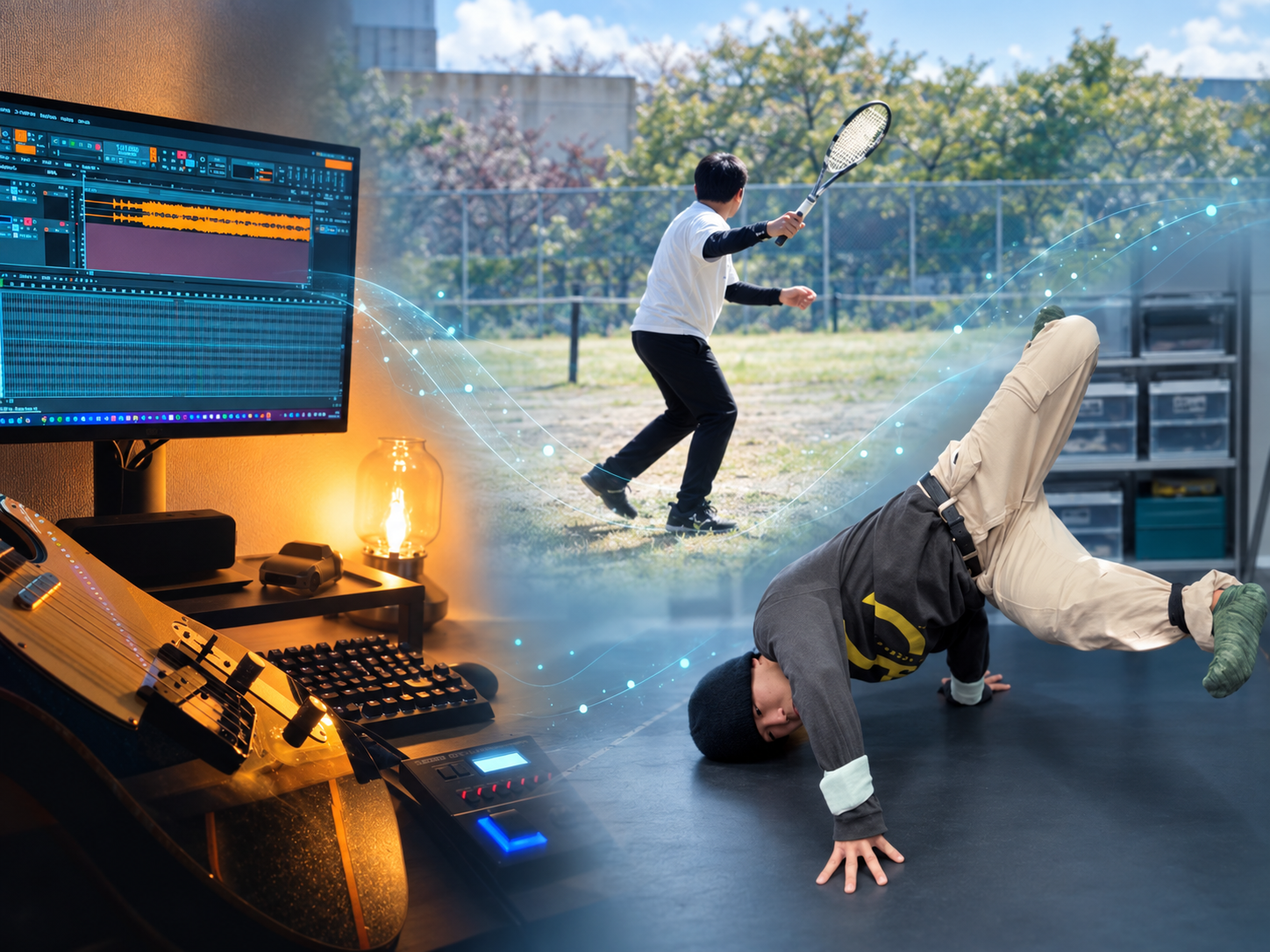
Supporting human learning
Human Coaching
We measure skills, perception, and behavior, then design feedback that supports improvement.
View projects ↓Systems & Soft Computing Laboratory
Our Philosophy
We embrace the ambiguity and complexity of the real world and turn them into intelligent systems that make a practical difference.
We measure human movement, perception, and environmental change; understand what the data means; and design appropriate support. Technology is not the destination. Our research begins with the people and settings it is intended to serve.
Research Fields
Our projects evolve with real-world needs, while our commitment to designing intelligence from field evidence remains constant.
Supporting human learning
We measure skills, perception, and behavior, then design feedback that supports improvement.
View projects ↓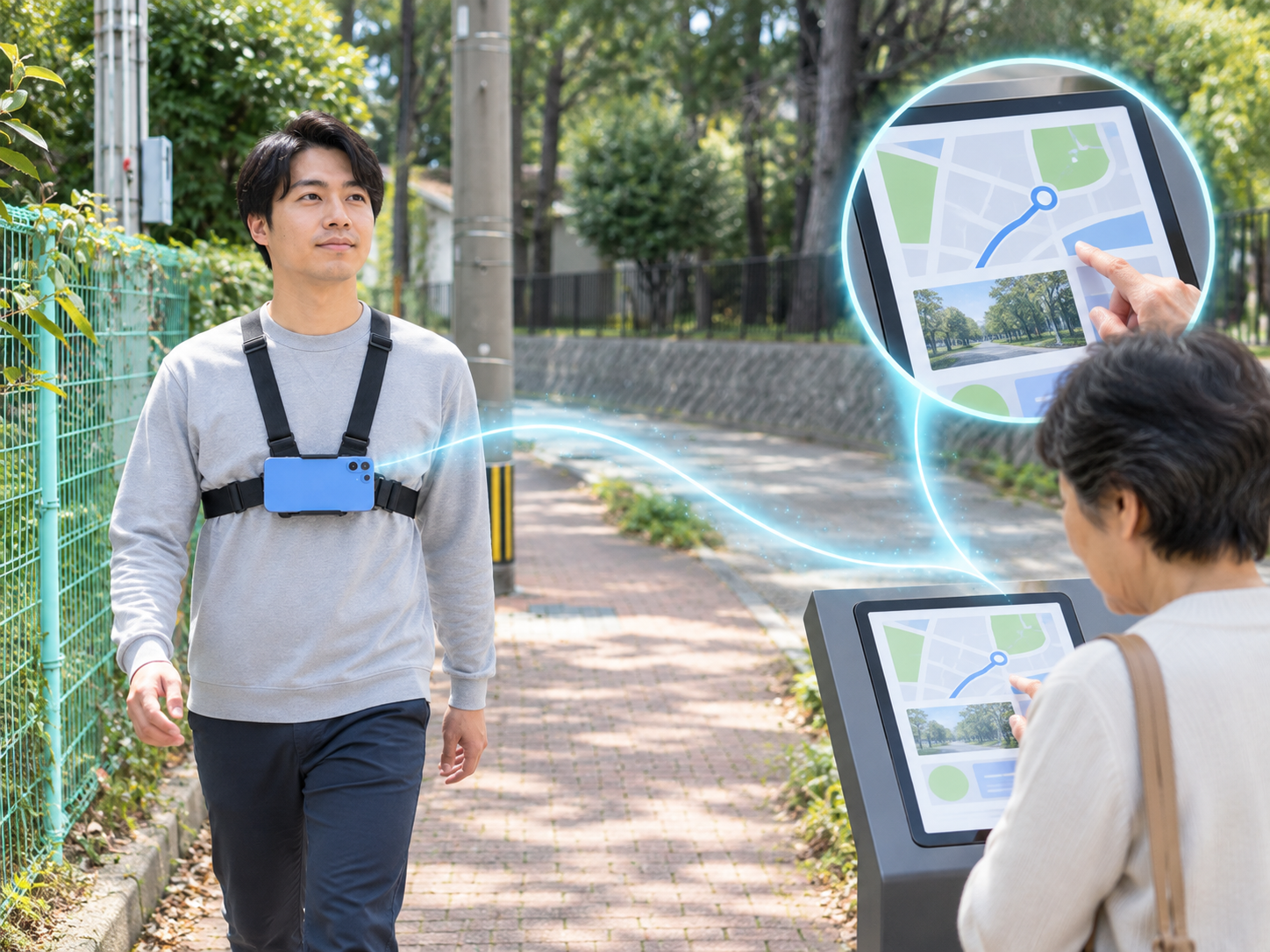
Supporting everyday life
We understand people and their surroundings to create assistive technologies that adapt to individual needs.
View projects ↓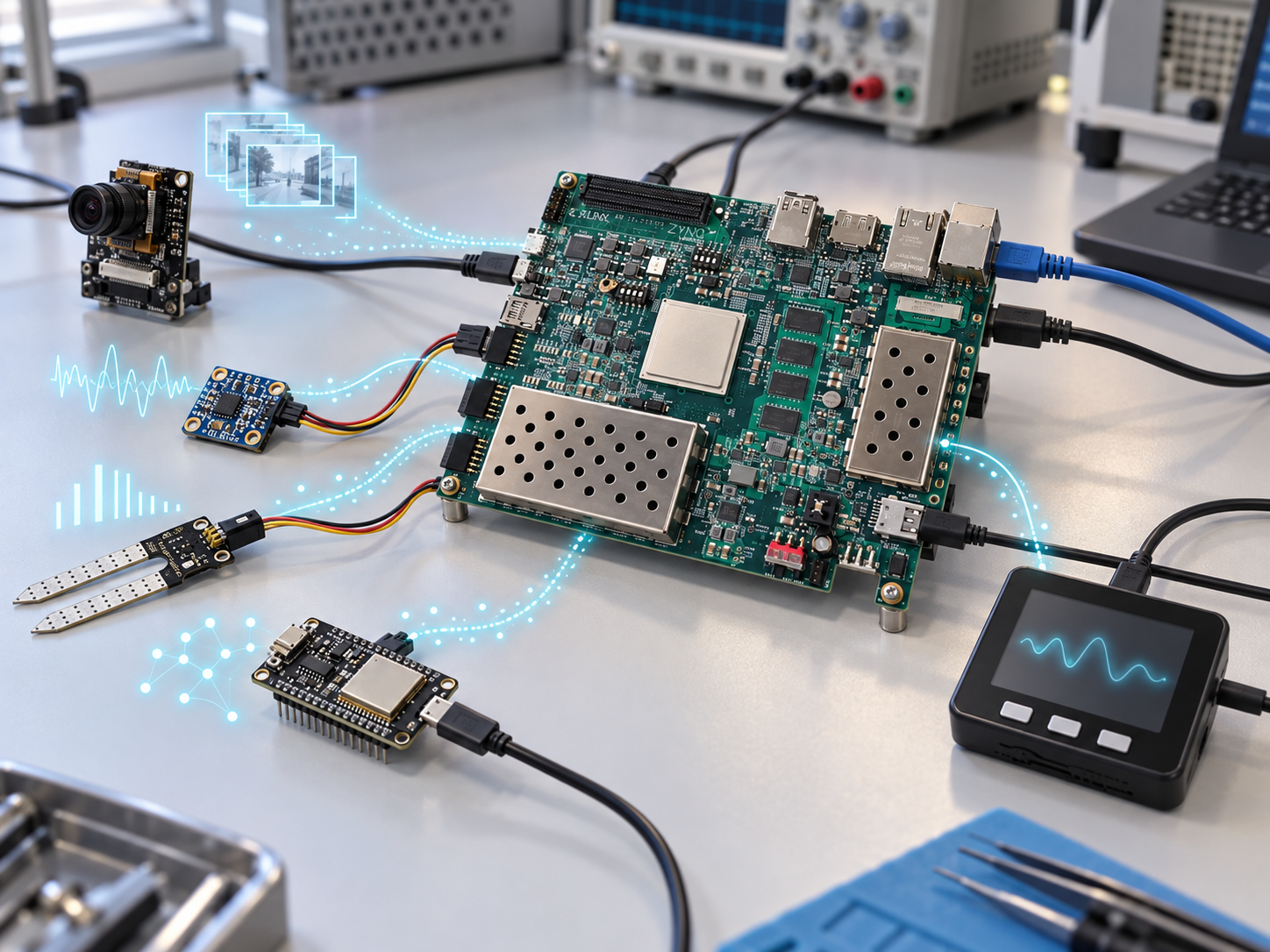
Intelligence where it is needed
We implement fast, reliable AI within the limited computing resources available at the edge.
View projects ↓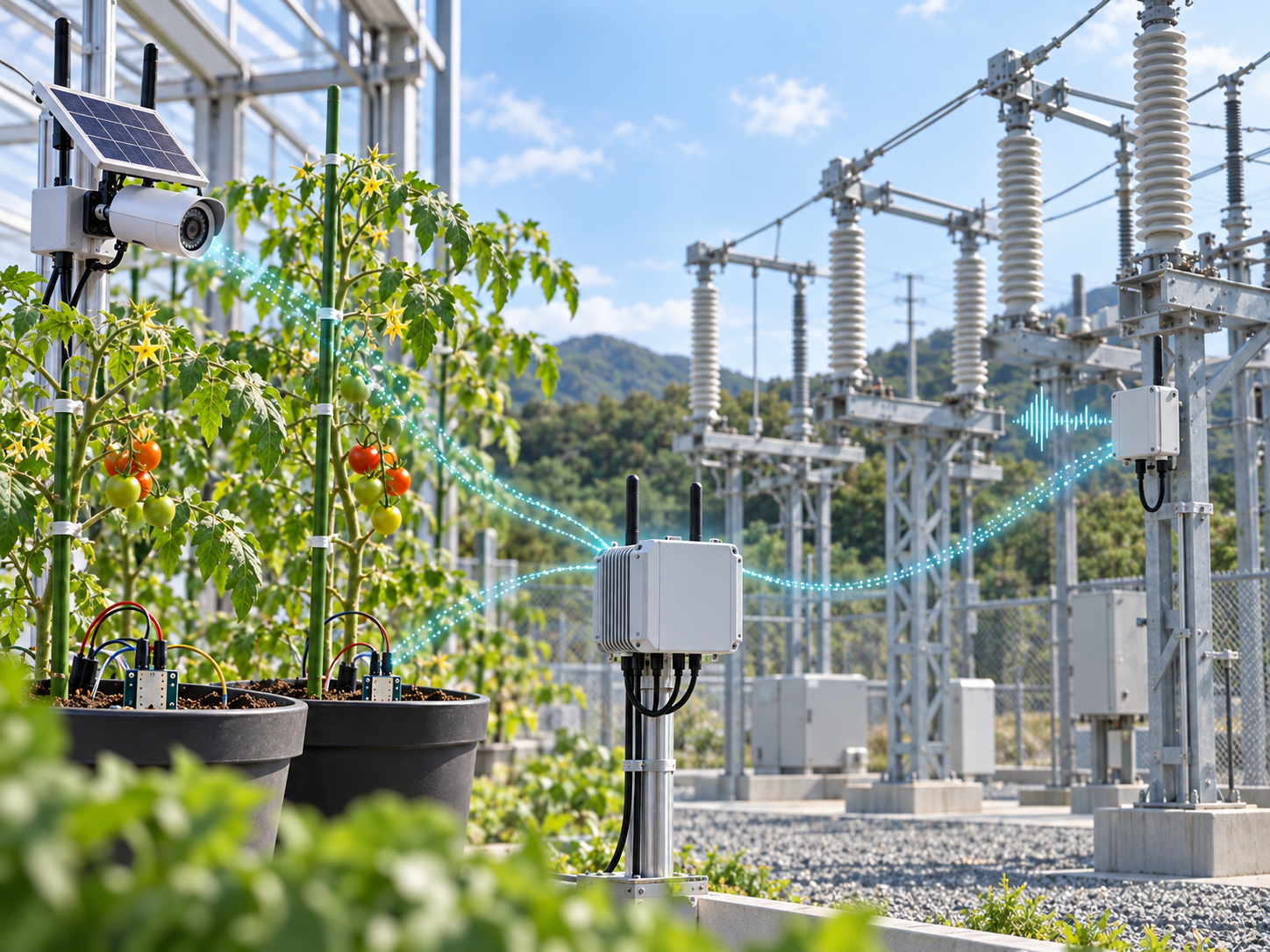
Supporting essential systems
We use sensing and intelligence to improve the sustainability of agriculture and regional infrastructure.
View projects ↓Current Research Directions
We connect data from real-world settings to intelligence that can support people and society, often across disciplinary boundaries.
View publications on researchmap↗From measuring movement, sound, and action to understanding skills and supporting improvement.
Creating assistance that adapts to individual physical characteristics and real usage environments.
Processing images, motion, and environmental data quickly with computing resources available in the field.
Continuously observing distributed infrastructure and detecting early signs of change.
How We Work
Study the field and identify the question that truly needs to be answered.
Combine sensing, AI, data analysis, and system implementation.
Test in realistic settings and refine the system through evidence and dialogue.
Share the meaning and value of the research across disciplines and borders.
Work With SSC Lab
ResearchersWe welcome conversations about complementary expertise, joint research questions, and academic exchange.
International studentsWe welcome graduate applicants interested in sensing, AI, human support, embedded systems, and field-oriented research.
Companies & organizationsWe are open to discussing real-world technical challenges and possibilities for research collaboration.
Prospective International Students
SSC Lab welcomes inquiries from international students who want to design intelligent systems for people, society, and real-world environments.
Before contacting us
BackgroundYour degree, university, and relevant coursework or experience.
Research interestThe SSC Lab field or problem that interests you.
Preferred programThe degree program and approximate enrollment period you are considering.
Supporting materialYour CV and, if available, a brief research idea or portfolio.
Degree eligibility, application schedules, scholarships, and required documents are determined by the university. Please confirm the latest information in the official guidelines. Contacting the lab does not replace the formal application process.
Contact
For academic collaboration, graduate study, or research discussions with companies and organizations, please contact us by email.
kawano@ecs.kyutech.ac.jp↗